by Hanami Dream | 17, May, 2019 | blog, tips
There will probably be some tough decisions to make with your guest list. Ultimately, it all boils down to who you want in the room with you and how well do you want to know the people that are there.
After the guest list headaches, chasing RSVPs and endlessly revising the seating plan, there may be some issues to consider so you can avoid any dramas with tricky wedding attendees.
Here are my top 6 tips for dealing with difficult wedding guests.
1. Think about your guest list from the start. Be specific on the invitation to avoid unexpected plus ones. Have a plan if an unexpected guest arrives.
2. Brief your attendants. Perhaps give them on stand by with a secret code word to intervene with difficult guests. Think about any guests that may need to be kept a part (or away from the free bar!)
3. Seat difficult guests near the back or side at the reception. Consider seating divorced couples apart. Think about having a sweetheart table if your parents are not able to sit together on a traditional top table.
4. Ensure guests are kept well fed (it helps soaks up alcohol) to avoid drunken antics. Happy guests are less likely to be tetchy or bored.
5. Ask for any dietary requirements in advance. Make sure there’s no surprises on the day.
6. Keep the children entertained to stave off boredom. Consider outside or an additional room for them to play.

sign up to receive the latest posts straight to your inbox
by Hanami Dream | 27, September, 2018 | blog, guest post, tips
 wedding guest list
The wedding guest list is often cited as being one of the top stresses for couples during wedding planning (whether you plan to invite children or not to your big day).
Who to invite is personal to each couple, as every family has different circumstances and it depends who is ‘hosting’ the wedding (and often who is paying for it). There may be some tough decisions to make with your guest list. Perhaps the reality of your budget means you have to rein in a few of your plans, or other people’s involvement means compromising on who you want to invite, including whether to have children at all/some/none of your wedding.
There’s no right or wrong answer on who to invite to your wedding. Nor is there sadly a magical formula that will work it out for you. Ultimately, you should invite guests that you want to share your special day with.
who to invite
It is said that the enjoyment of most gatherings can be made or broken depending on who is there. People do really make the party! So the all important guest list can dictate what kind of a day you (and your guests) might have.
To avoid confusion from the outset, it is often better to be really specific about who you are inviting, to which parts of the day they are invited to, and whether you are inviting their children (or not) so that they are not left in any doubt.
Take a look at ‘a guide to wedding stationery and how to invite your guests‘ and the first in my Holy Trinity of Wedding Planning series ‘Part 1: who‘ for a broad overview on the importance of wedding guest lists as a whole.
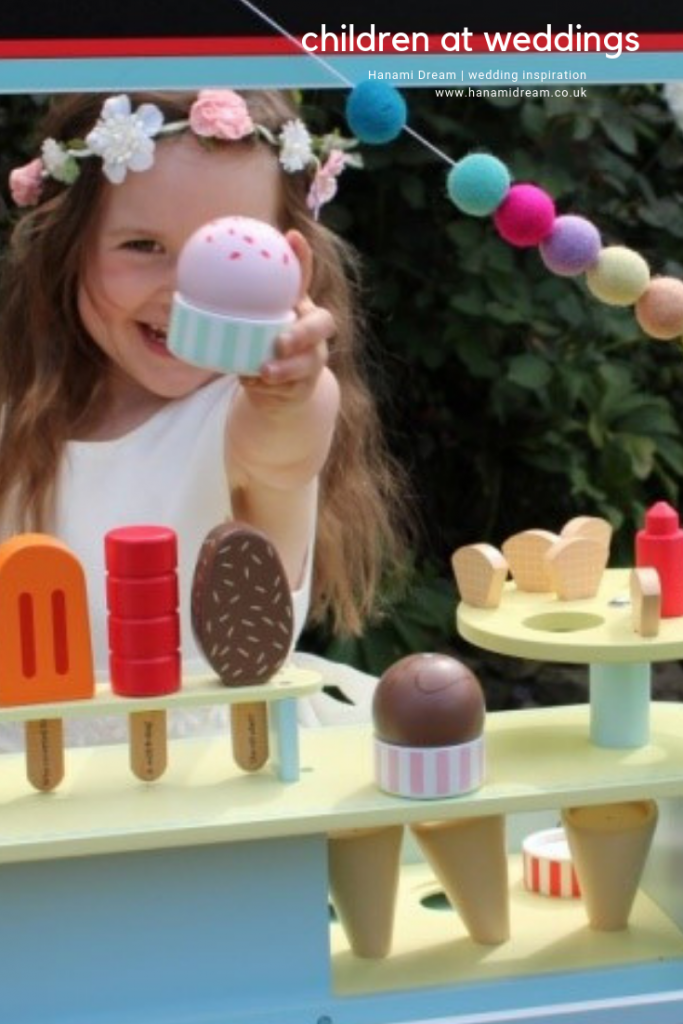
children at weddings
Meanwhile, here is a checklist to consider if you are inviting children to your wedding:
- clear communication – set expectations early on about who is invited and give guests with children an idea of the running order for the day so they can plan naps, meals and their schedule accordingly around your day
- consistency – make sure you say the same thing to everyone and be clear why there may be exceptions
- contribution – get children involved with little tasks like confetti throwing, part of the speeches, ring bearer etc
- crèche – consider childcare or a chaperone in a side room for lots of children
- changing facilities – make sure there’s somewhere for little ones to ‘freshen up’
- crafts, cinema, competitions, cartoons, colouring or just somewhere to run around outside – anything to help keep them entertained (how about a silent disco for them during the meal?)
- catering – have food specifically with children in mind
- chairs – make sure they’re comfortable, suitable for their age and close to their parents
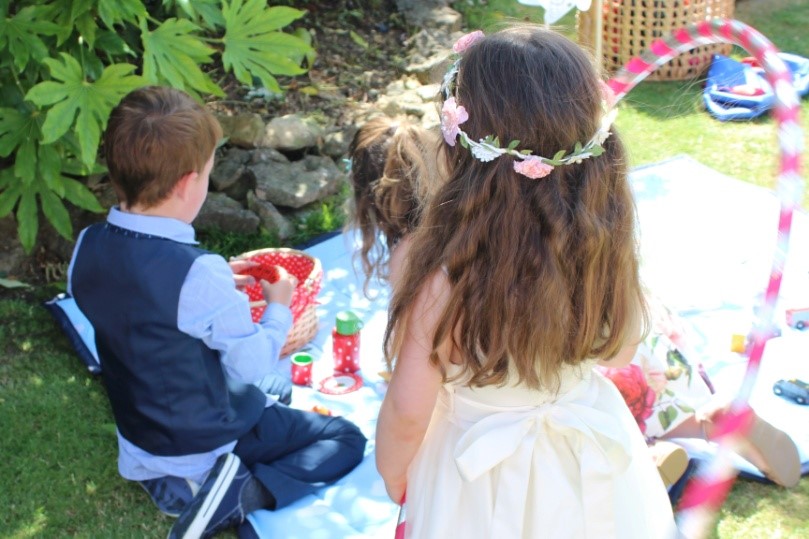
entertaining children at weddings
One of the key things to keeping your wedding guests happy (whatever their age) is to keep them fed, watered and entertained! When it comes to children at weddings they may need a little more entertainment.
With the right planning, involving children in the celebrations can be fantastic fun without compromising on a stylish and stress-free day. Here are some top tips for entertaining children at your wedding, courtesy of Hedgerow Circus, to ensure a stress free day for all generations to enjoy.
1. Think about the flow of the day
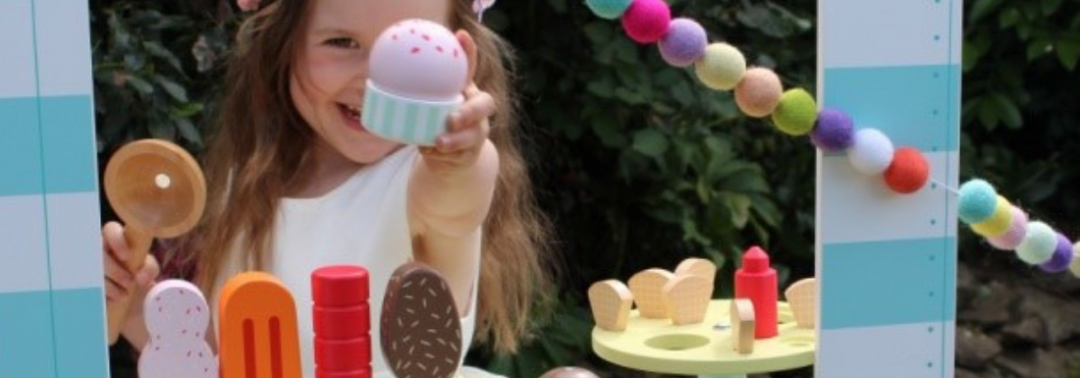
Providing toys and games for your youngest guests can make a huge difference to the flow of the reception, as having the children happily entertained has the added bonus that the parents are free to fully enjoy the celebrations too.
2. Keep a space free in your venue for children guests
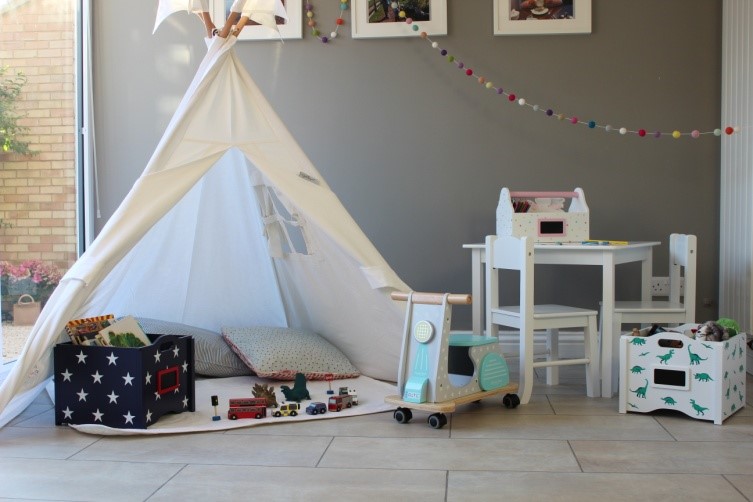
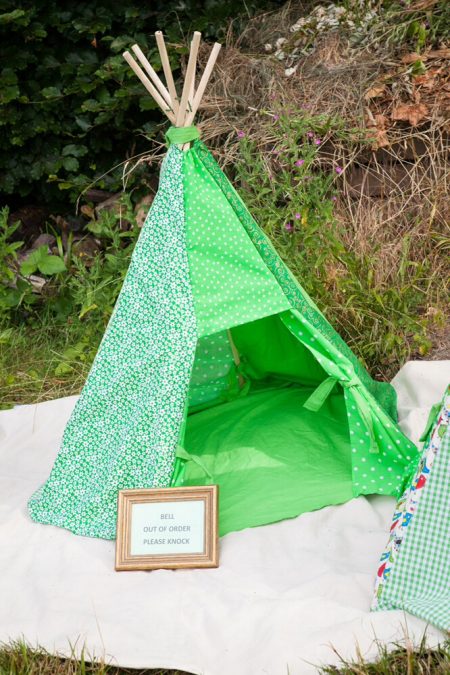
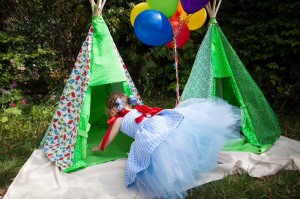
Every venue is different, but almost all have an area which is suitable to dedicate to some toys and games. This may be anything from an entire room which can become a fully stocked playroom if you have lots of children attending, to a quiet corner of a marquee where a simple white tipi with toys inside could be set up. Allocating a dedicated play area, however large or small, will prevent toys from taking over.
3. Involve children guests in parts of the wedding day
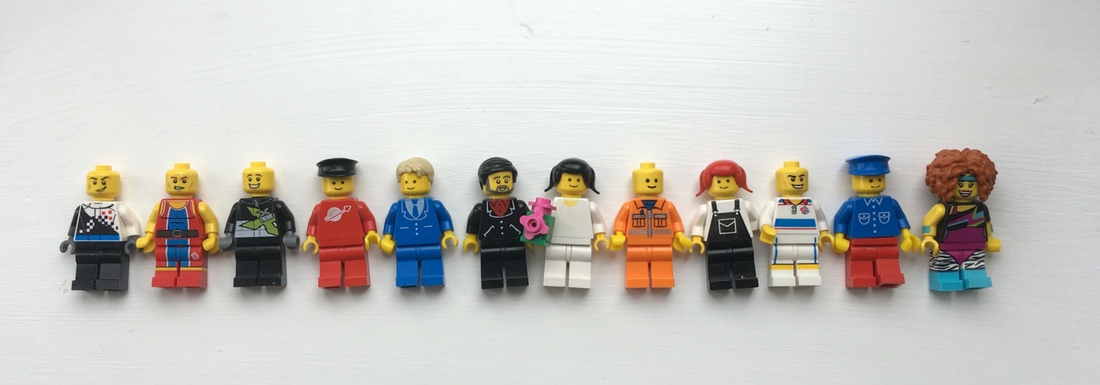
Consider any times that you can involve children in the proceedings, not only as flower girls or page boys but with responsibilities such as handing out programmes, confetti or gifts. If you have any older or more confident children attending, perhaps reading a short poem or announce cutting of the cake. It’s always a good idea to provide some quiet entertainment for the times you don’t want the children to be involved, such as during speeches. A speeches survival kit of puzzles, colouring or Lego usually goes down a treat (for parents too – who can relax and listen to the speeches).
4. Bring the generations together
Enjoy the chance to bring all the generations of your friends and family together in one place, to celebrate this new chapter in your lives together. You will be giving special memories to everyone to look back on.
About Hedgerow Circus
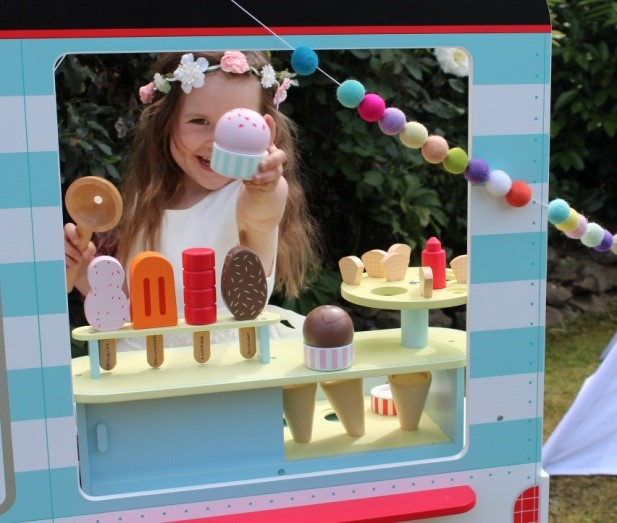
There is no need to compromise on style when including toys and games at your wedding venue; take a look at Hedgerow Circus, a local company based in the Cotswolds who provide a great range of attractive play areas to cater for groups of all sizes, delivered and set up at your wedding or event venue.

 @hedgerow_circus
Sign up to receive the latest wedding planning tips, tools, trends and traditions straight to your inbox.

by Hanami Dream | 16, October, 2017 | blog, holy trinity of wedding planning, tips
 So far in the series, I’ve introduced the three key aspects of planning a wedding that pretty much affect every other thing that is connected with your big day. These are who, where and how much (otherwise known as your guests, venue and budget). This group of three things are very much intertwined. Plus when you hold your wedding is connected too! As previously covered (in the who and where posts), nearly all the decisions you have to make about your wedding will come back to one, two or all of the elements in what I class as ‘the holy trinity of wedding planning’.
This post deals with the tricky topic of money and how to allocate and prioritise your budget.

For example, where you have your wedding will affect the cost, as a wedding abroad, a local hotel wedding or a rustic barn venue will all vary considerably in price.
Likewise, when you have your wedding will incur different price structures, especially for venues. Different times of the year vary in price and peak season (summer months in the UK) will be more expensive than winter or off peak times. Less popular days of the week are often cheaper than weekend days.
Finally, who you invite or how many guests will obviously have an impact – the more you invite, the more it will cost.
There’s often a perception that anything labelled ‘wedding’ will be more expensive. In certain areas, I don’t believe that the type of event that you’re holding should affect the costs. However, I do understand that a wedding is a really special day and so it demands a certain level of consideration, time and effort to create the special day the couple have envisaged. Couples do have a greater expectation for this life changing event (that they’ll hopefully only do once) and so this will mean more attention from suppliers which can often increase costs to cover additional involvement and interaction.
So, how much will your wedding cost?
Well, this is like asking how long is a piece of string? Because everyone has a different sized budget and it can vary based on what you choose for your day.
As with most elements of the wedding day, each component can be prioritised in order to put the focus where you want it to go. Bear in mind that within each category of your budget you have a range of price points you could choose depending on the quality (ie you could pick caviar or chips for your food! You could arrive by helicopter or have your mate’s dad drop you off in his car.)
Overall wedding budgets are on the rise. The average cost of a wedding in the UK (outside of London) is currently £27,000. The largest part of the wedding budget is spent on catering, the venue, photography, the wedding dress and entertainment – in that order.
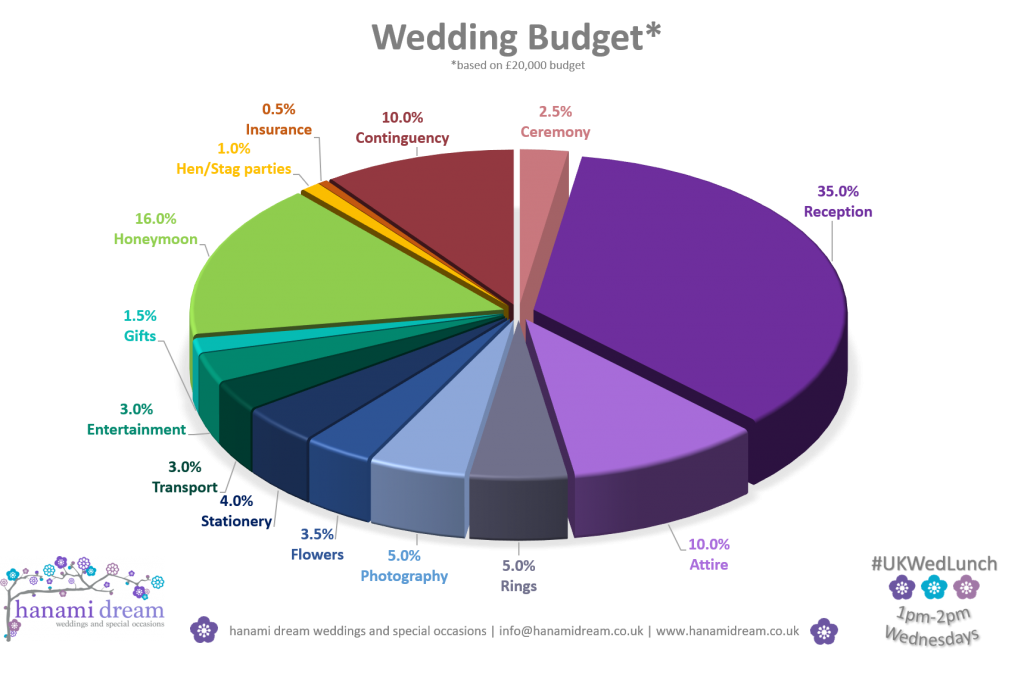
As a guide, I tend to suggest to couples that they allocate around 35% of their overall wedding budget (£9,450 of a £27,000 budget) to cover all aspects of the reception (to include cake, décor, drink, favours, food, furniture and venue hire costs).
Other areas of the budget should include these categories:
- Ceremony
- Reception
- Entertainment
- Attire
- Rings
- Photography
- Flowers
- Stationery
- Transport
- Gifts
- Hen/stag parties
- Honeymoon (optional)
Take a look at an example of a wedding budget in percentage terms and please contact me if you’d like to see a further breakdown of costs.
Fixed costs
Pivotal to all your planning is how much money you have to play with. This will determine whether you can go to town or be a bit more creative and diy some elements yourself. How much you have to spend will definitely factor in to how many people you can invite, where you can afford and what they can eat.
There are some costs that won’t change no matter how many people are at your wedding. These are called fixed costs such as:
- Ceremony fee
- Decorations
- Entertainment
- Insurance
- Photography
- Rings
- Venue hire costs
- Wedding dress
Variable costs
There are a number of costs that will alter depending on how many people are enjoying them. As well as the number of guests, you should also consider the size of your bridal party too. These variable costs include:
- Accommodation
- Cake
- Drinks
- Favours
- Food
- Flowers (for attendants)
- Gifts
- Stationery (such as invitations, menus, orders of services, name places etc)
- Suits and dresses for the bridal party
- Transport
Here are my top tips for planning and managing your wedding budget:
- Ascertain how much money you have available
- Determine who is paying or contributing and by how much
- Decide whether to include your honeymoon in the wedding budget costs
- Set a budget
- Stick to the budget
- Have a contingency of about 10%
- Determine the size of your bridal party (and who is paying for all elements of their attire etc)
- Calculate number of guests attending
- Prioritise the budget categories to ascertain your ‘must haves’ versus your ‘nice to haves’
- Adjust the budget according to your priorities
- Research costs – get at least three quotes for each item for comparison
- Work out your fixed costs
- Calculate the difference in variable costs depending on the number of guests attending
- Confirm when and how much deposits and instalment are payable
- Ask about cancellation fees and timings
- Write down what you’ve paid, when you’ve paid it and what you’ve still to pay
- Include tips for waiting staff etc
- Remember it’s just one day and focus on what is really important – your life together!
With the who, where and how much at the fore front of your mind, you can set the date and everything else can fall in to place so you can start planning all the other finer details. Take a look at this handy wedding planning timeline to see when you need to plan for other elements of the wedding day.
Please contact me if you’d like further help and guidance with your budget allocation and a budget spreadsheet template to help with all aspects of your wedding planning.
by Hanami Dream | 1, November, 2016 | blog, tips
As someone with dietary requirements, I’m always impressed (& relieved) when different diets are considered at a wedding (which also means I’ve got something to eat to soak up all that free drink!)
I stir clear of most dairy products (apart from the occasional chocolate treat and an annual ice cream when I’m on holiday) and have done for about 30 years now (yikes – now that’s showing my age isn’t it!) I found that dairy was a trigger for migraines and now I find that cheese or cream doesn’t agree with my stomach either after years of abstinence. Don’t get me wrong – I don’t miss it. In fact, just thinking about the smell of melted cheese makes me feel queasy!
When I was younger it was hard to find alternatives to dairy but now the supermarket shelves are stacked with wonderful ‘free from’ and alternatives to suit varied and diverse diets. I certainly don’t feel so difficult to cater for anymore!
For me, there’s not always an instant reaction to eating the things I avoid but for some people they may have a severe allergy or strong beliefs that mean they must not come in to contact with some foods.
That’s why I’m a strong believer in the importance of asking wedding guests if they have any special dietary requirements in order to respect their health, religious, moral or political choices. Plus it’s nice to have happy guests who don’t feel awkward (or hungry), tucking in to delicious food and not the same old unimaginative alternatives.

Here’s my quick ABC of how to make sure you’re covering all your bases when it comes to catering for special dietary requirements.
A – Ask your guests as early as you can. Include a section on your RSVP cards (to send with the invites) for them to be able to fill in any dietary requirements. Or even on your save the date cards if you’re really on the ball. You could even give them an example of what the menu might be and get people to choose their meals in advance.
B – Base the menu on your tastes – it is your day after all! It’s a good starting point to think about what you like and dislike to eat plus what you have enjoyed feasting on at weddings that you’ve attended as guests. You can ensure the food will fit your theme and style of wedding. However be mindful if your tastes are unconventional as you want to be inclusive to your guests too. Which leads us to the next point…
C – Customise your menu. Create your menu in such a way that anyone with an allergy or dietary requirement can still enjoy the main aspect of the meal. However, for example, a vegetarian option shouldn’t just remove the meat element of the dish but rather have a delicious alternative instead. Likewise, for a non dairy person like myself, having the option to be able to add your own sauce to a meal (that may have cream, yoghurt, butter or cheese in it) could mean that I could still enjoy the same dish but without the sauce (or with a substitute sauce) rather than it coming served in the sauce. The main dish could remain the same but with some ‘pick and mix’ elements to ensure dietary requirements are met. A clever caterer will be able to think of ways to alter dishes to suit.
D – Diets to consider could include the following (although this is by no means an exhaustive list):
- Vegetarian
- Vegan
- Non dairy
- Gluten free
- Kosher
- Halal
- Hindu
- Diabetic
- Low fat
- Low salt
- Nut free
- Child friendly
- Pregancy
E – Establish and eliminate elements of the menu. Once you have a list of your guests requirements you can start to construct a menu with your caterer or venue that can suit their needs. If you are unsure what they can/can’t eat then it is always best to confirm with them and show them specific ingredient lists from the chef. Decide how many main dishes will be offered to guests such as a meat, a fish and a vegetarian option that can then all be adjusted to take in to account the different diets.
F – Figure out the style of meal being offered. How you serve food can have an impact on offering alternatives. For example, a sit down meal can mean that meals can be tailored individually though could be increase costs to prepare separate dishes for different people. A (well labelled) buffet could mean that guests can choose the food that is most appropriate to their diets although means that food may have been premade and harder to adjust on the day. A hog roast is a cheap and tasty way to mass cater but provides limited choices and alternative options.
G – Go and meet with your caterer / venue. Any chef worth their weight in gold won’t be phased (or surprised) by the challenge of catering for guests with different dietary requirements. As long as they know enough in advance, they can plan and prepare for the different meals. It is also worth checking how they prepare the food if allergies or religion are the reason for some special diets as you may need to use specific caterers for some meals.
H – Have your cake and eat it. Don’t forget about all meals and beverages that are going to be consumed during the day including your wedding cake. Think about having different tiers of the cake made to suit different guests. Or even having an alternative to a cake altogether.
I – Inform your guests. Make sure that you check the final menu with the guests that are most affected so that they know what they will be able to eat on the day. Communication plus no surprises puts most people at ease.
J – Just checking. Confirm numbers, menu and dietary requirements with the caterers / venue just prior to the big day so that it’s fresh in their minds. Plus check that the waiting staff know where the special meals are to be served at each table. Perhaps put a subtle symbol on the name places that signifies a special meal.
You don’t have to provide an a la carte menu with several variations, you just need a flexible kitchen and an inventive chef or caterer who can conjure up a meal to suit all diners.
Enjoy picking the menu for your wedding breakfast. Remember that it is your special day and you should choose what you both love. You won’t be able to please all your guests however keeping them well fed will be a good start to keeping them happy. Bon appetite!
See another of my blog posts of other ways to keep your wedding guests happy.

by Hanami Dream | 11, August, 2016 | blog, tips
AS FEATURED ON BRIDE MAGAZINE:
Once you’re over the hurdle of preparing your guest list and the headache of waiting (and chasing) for RSVPs, it will be time to decide where to seat your nearest and dearest for your wedding breakfast.
Take a look at our 10 point guide on how (and where) to seat your wedding guests to help you through what can be another tricky juggling act of keeping everyone happy. There’s etiquette, tradition, logistics, safety & practicalities to consider (as well as who Aunty Vera may have fallen out with) so that all can see and been seen by the bridal party.
1) size and shape
Firstly, establish what is possible at your venue. What could you fit in to the room? What is already available there? You need to think about the space, tables and chairs. Taking in to account the size, shape and style of these three elements. Count the number of tables and determine how many chairs can fit around the different shapes of table. This amount should accommodate your final guest numbers.
2) style of meal
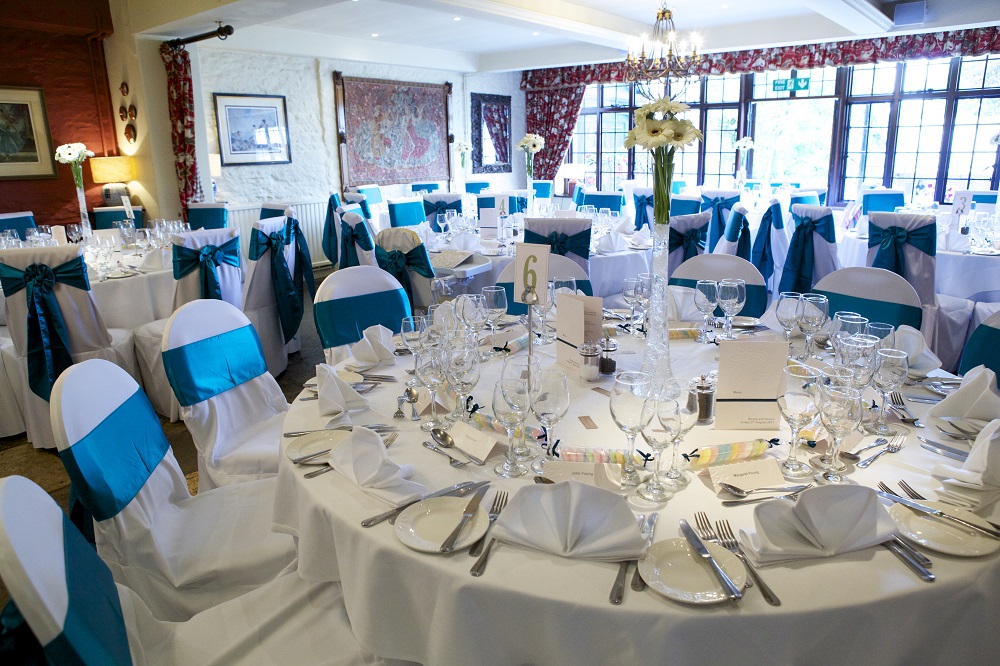
How you lay out the tables can be dictated by the style of food that you will be serving. For example, if you’re having a casual meal or buffet then you may opt for guests to pick their own places when they’ve got their food rather than a formal sit down meal where everyone has an allocated place setting. To get guests to mix up, you could provide a bowl of numbers and people pick out their table number as they enter the reception.
3) structure
The formation of the tables will depend on their shape and the atmosphere you want to create. Family style sharing meals work well on rectangle banquet tables with benches on either side. Laying long tables in a horseshoe or T shape creates a focal point of the bridal party. Whilst round tables surrounded by chairs can cluster groups together for good interaction. Square tables give a great modern feel and don’t feel restricted to use a uniform type of table – mix and match shapes and sizes to suit your needs.
4) standard
Traditionally there is a head (or top) table containing at least the happy couple. In addition, etiquette suggests their parents, along with chief bridesmaid and groomsman join this long table facing the guests so that everyone can view the top table (eg Chief Bridesmaid, Groom’s Father, Bride’s Mother, Groom, Bride, Bride’s Father, Groom’s Mother, Best Man). Working away from this focal point, others from the wedding party are grouped near to the top table, followed by closest relatives, then friends, and finally colleagues.
5) substitutes
Let’s face it, you can have whoever you want on the top table (or no top table at all!) Nowadays there are many alternative schemes to factor in different family circumstances and partnerships. The top table could be round rather than rectangle so the wedding party get to chat too. The top table could just contain the two most important members of the day whilst the rest of the bridal party host their own family members on separate tables. Sometimes brides and grooms choose to sit at a different table for each course to mingle with all their guests.
 6) special considerations
As well as knowing how many people you’re seating, you’ll need to factor in any accessibility requirements for any young, elderly or incapacitated guests such as incorporating requests for highchairs. People with any tasks to carry out during the meal or speeches should be able to get out of their place easily too. There’s always a temptation to match make with a singles table, though my advice would always be to keep people with people they already know (and like). Tradition suggests alternating men and women around a table.
7) system
How to plan who sits where is a fine and delicate art often thrown by last minute cancellations and feuds. There are lots of online planning tools, apps and software available to help solve this issue. However, nothing beats a large piece of paper containing the floor plan of your room with blank tables drawn in the right places. Then get some small coloured sticky tabs in perhaps three colours (for men, women and children). Write each guest’s name on the relevant coloured tab and stick these around the table templates until you’re happy with the seating combinations.
8) selecting tables
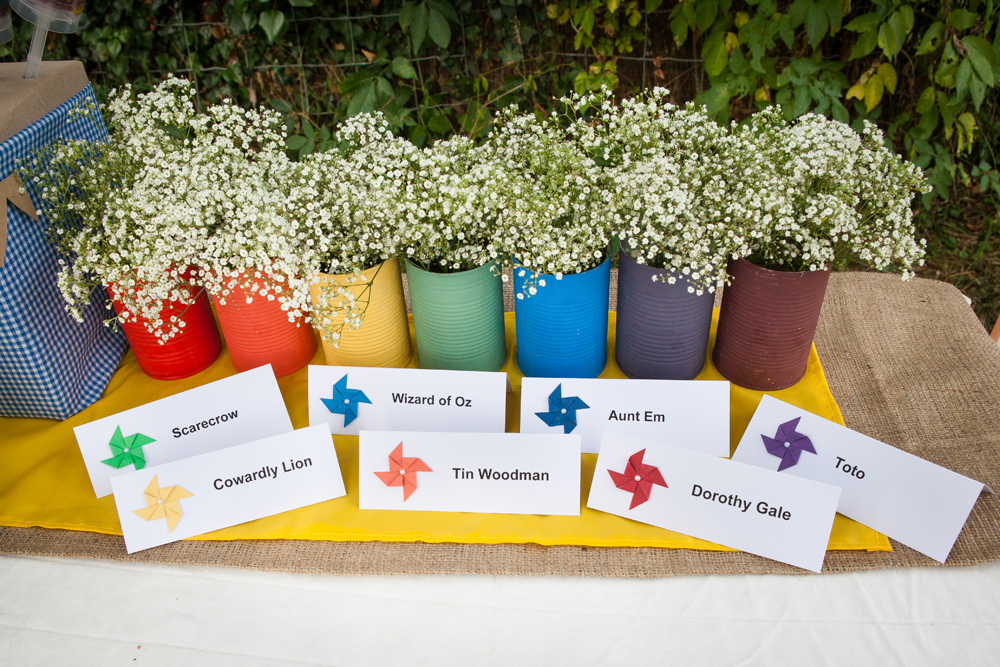
There are many options and ways to personalise your tables including the names you give each table or how you number them. One of my favourites at the moment is showing a picture of both of the happy couple at the age that the table number corresponds with.
9) seating plan
There a couple of options to ensure that guests get to the table you’ve allocated to them. Firstly, you can display a seating plans of the different tables listing which guests are sat at each table. Ideally have a couple of these plans to avoid everyone bunching around one and placing it outside of the room for people to view it ahead of time to avoid a rush on entry. Alternatively, escort cards can be displayed (perhaps alphabetically) which each contain the name of a guest along with the table name/number where they are to be seated. In both scenarios, place name cards on the table can show guests where to sit or they could pick their own seat.
10) seating at ceremonies
It’s not just the reception to consider but you may want to offer a modern take on where people sit at the ceremony too. Traditionally in a religious building, the Bride’s family sit on the left of the premises and the Groom’s sit on the right. However, many people are asking their guests to pick a seat not a side. Plus if the venue is less formal you can move away from rows of chairs and opt for a circle around the couple or even a spiral of chairs working inwards to the couple.
by Hanami Dream | 2, June, 2016 | blog, holy trinity of wedding planning, tips
 So far in the series, I’ve introduced the three key aspects of planning a wedding that pretty much affect every other thing that is connected with your big day. These are who, where and how much (otherwise known as your guests, venue and budget). This group of three things are very much intertwined. Plus when you hold your wedding is connected too! As previously covered (in the who post), nearly all the decisions you have to make about your wedding will come back to one, two or all of the elements in what I class as ‘the holy trinity of wedding planning’.
This month I’m going to tackle the where element and your all-important choice of venue (and will look at the last element in the trinity of how much another time).
Finding the right venue that is available at the right time, for the right price, for the right number of guests will be one of the first (and trickiest) parts of planning your wedding. But once you’ve decided on this element everything else will seem like a doddle! Before venue hunting, have a rough idea of your budget and how many guests you want to share the day with you. (I told you that the where, who and how much elements would come in to play.) And have an idea of when you want it to take place too. See my top tips below to give you an idea of some other factors to help you decide the place where you’ll say ‘I do’.
Nowadays, the world is pretty much your oyster in terms of options available. If you’ve seen ‘Don’t Tell the Bride’, you’ll realise that you can get married in all types of places!
1.Where in the world
Maybe you don’t fancy risking the British weather and want to get married outside of the UK, to jet off or elope. Destination weddings are certainly an attractive proposition and usually mean that all the details get handled for you by the hotel where you are staying. Plus you get your honeymoon and wedding all rolled in to one.
However, it’s worth considering that going abroad could limit who can come to the wedding (here’s the trinity coming in to play again) as not everyone will be able to afford to attend or elderly relatives may not be well enough to travel. Plus, just remember that whoever does come will be with you for your honeymoon too! Guests would have to factor in more time to attend the wedding, so the time of year that you have your wedding may also affect whether they could come.
Before booking your tickets, you should also check the legalities of your chosen country as it may be more hassle than it’s worth to be legally wed in that country (translating of documents, time and effort etc) so you may chose to do the legal bit at home before or after the glamourous beach part. (Don’t forget to make sure your passport matches the name you are travelling under – it might be best to travel under your maiden name unless there is time to get your passport changed before you travel. (See my checklist of other documents and organisations to tell about your change of name.)
2.Pinpoint the location
Once you’ve decided on whether you’re getting married home or abroad, then you need to narrow down the location and think about:
- Which country?
- Which region?
- Which town?
- Will it be in or out of town?
- Would the venue be easy to find?
All these factors will impact on travel costs and timings. Guests will need to consider whether they need to factor in overnight accommodation as well. Plus if your wedding is not near where you live you may not be able to visit the venue many times before the big day or meet with suppliers face to face to view products in advance.
Think about how far away the ceremony venue is from the reception venue in terms of distance but also timings. Depending on what time of day you’re getting married it may conflict with rush hour or school runs that could affect traffic and people travelling between locations.
Wherever you get married, if you are having a Church of England wedding ceremony, your Banns (an announcement of your intention to marry) need to be read in the parish where each of you lives as well as the church where you will be getting married (if this is somewhere different). So if you plan to attend the reading of your Banns, it might be harder if you have to travel far.
 3.Formalities
What kind of day do you want? Perhaps you’ve already got your Pinterest boards at the ready (goodness knows how we ever planned anything before Pinterest!) If not, how do you envisage your wedding day? The style of wedding that you want will influence the venue you choose so think about whether you want something that is:
- All in one venue?
- Big or small?
- Relaxed or formal?
- Inside or outside?
- Urban or rural or coastal?
- Unique or package?
- Adults only or child friendly?
- Organised for you or somewhere you can bring together your own group of suppliers?
- What kind of theme do you want?
- Vintage
- Rustic
- Glamourous
- Country garden
- Festival
- Tropical
- Medieval
- Carnival
- etc etc
4.Legally speaking
You could have a religious or civil ceremony, or perhaps have a blessing in an amazing off-the-beaten track location and do the legal bit at another time. According to the Citizens Advice Bureau in the UK, at the moment you can legally get married in the following places:
- a Register Office
- premises approved by the local authority such as a hotel
- a church of the Church of England, Church in Wales, Church of Ireland, Presbyterian or Roman Catholic Church in N. Ireland (opposite sex couples only)
- a synagogue or any other private place if both partners are Jewish
- a Meeting House if one or both partners are either members of the Society of Friends (Quakers) or are associated with the Society by attending meetings
- any registered religious building (England and Wales only)
- the home of one of the partners if the partner is housebound or detained, for example, in prison
- a place where one partner is seriously ill and not expected to recover, for example, in hospital
- a licensed naval, military or air force chapel
In addition, owners of premises that are regularly open to the public (ie stately homes, hotels and civic buildings) can apply to hold civil marriages. Generally these places need to be in a permanent built structure and not an open air venue. So it’s worth checking with your dream venue to check if you could get legally married there.
 5.Location, location, location
Whether you’re having a one-stop venue, or having the legal part somewhere else, you’ll want to have somewhere you can relax, eat and have fun with your guests after the ceremony. There are lots of different types of venues to chose from for your wedding reception including:
- Aquarium
- Barn
- Beach
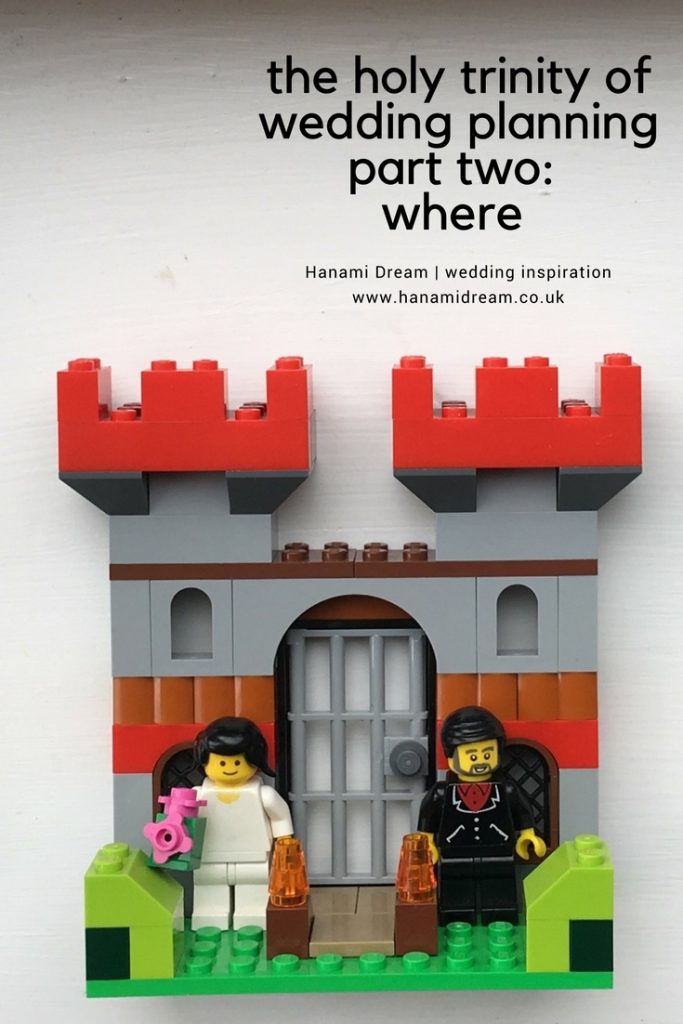
- Castle
- Gallery
- Historic venues
- Hotel
- Landmark venues
- Library
- Marquee style – see my guide to a tipi wedding
- Museum
- Outdoors
- Own home
- Pub
- Restaurant
- Sporting venues
- Stately home
- Zoo
How far in advance you’re planning might open up more possibilities and how much you have to spend will offer different options. Plus the number of guests will complete the trinity of factors that will influence where you pick.
See my list of Top 20 venues in and around Oxfordshire and the Cotswolds for some local venue inspiration.
6.Size does matter
With your trusty (and let’s be honest probably controversial and stress inducing) guest list at the ready, you’ll be able to determine what size of venue you need. Other things to think about with your guests include:
- Will you be feeding all the guests?
- Will it be a sit down meal or buffet? (If you want to all be sat around tables that could change the number of people you can fit in a room versus if people are stood mingling around.)
- Will you be having all the guests for the whole day? Or will you have some for the meal and some will come in addition later for the evening?
The size of the venue will influence how many guests you can invite but you could increase the numbers by having an evening section that doesn’t require everyone to be sat down to eat.
 7.Icing on the cake
So what’s really important to you? What are the things you won’t compromise on – those things that your wedding venue must have to make your wedding perfect?
- Do you require parking? How much parking is required?
- What facilities are important to you?
- Do you need disabled access?
- How many rooms will you need?
- What size of rooms are available?
- Are there separate rooms for getting ready beforehand?
- Is there a space for children or for elderly to escape the main area?
- Will yours be the only wedding at that venue on the day?
- Is there accommodation at the venue?
What facilities or factors are on your non-negotiable list?
8.The fine detail
They’re probably not deal breakers, but there may be a few minor points that could sway your decision or would give a different day depending on the decisions by individual venues about their policies on:
- Confetti
- Candles
- Marquees
- Fireworks
- Helicopters
- Music switch off time
- Enough power
- Use of your own suppliers
- License for alcohol
 Picking your venue may be time consuming but the effort will be worth it as the venue is probably the most expensive element of the day, so you want it to be right. Once you’ve sorted the venue (and set the date) then you can start planning all the other finer details. With the who, where and how much at the fore front of your mind, everything else can fall in to place.
More about the money side of things soon in the last element of the holy trinity of wedding planning: how much.
by Hanami Dream | 25, April, 2016 | blog, tips
Weddings are a wonderful celebration of love and marriage. And how wonderful to have all the people you care about in the same place at the same time. Along with the wedding party, the other beautifully attired guests in the room will have invested their time and money to be there on the day with you too.
At one point in my life I was a serial wedding guest and also could often be seen wearing a fancy dress stood at the front (although only as a bridesmaid all too often). Luckily I’ve now found my Prince Charming and I vowed to learn from all the weddings I’d attended to ensure that our wedding guests had an amazing time.
Here are my top ten tips to keeping your wedding guests happy and ensure your wedding is remembered as a great day by all:
1. Keep your guests fed, watered and entertained then you pretty much can’t go wrong. Fail at one of these and they’ll get twitchy, tetchy or bored. Remember everyone loves free things! If you can’t afford to pay for the bar all night then perhaps welcome drinks and some with the meal will be a nice gesture. Plus as someone with dietary requirements, I’m always impressed (& relieved) when different diets are considered at a wedding (which means I’ve got something to eat to soak up all that free drink!)
2. Keep them busy. No one likes to sit around for too long. Getting them involved and interacting will keep them engaged. Perhaps a video diary room for them to leave you a message or a photo booth for some fun. Don’t forget the children too with activities to keep their minds busy (and parents happy!)
3. Set expectations early. People are generally happier if they know what is happening and when. Give them a schedule with their invites (or in the order of service) so they at least know when the food will be served. Make it really clear in your invites who exactly is invited and to which parts. I was invited to a wedding a few years ago and the invite didn’t have any names on it. We didn’t know if our children were included let alone if we were both invited! Worse still, make it clear if they’re only being invited to the evening part rather than all day. Nothing worse than having to embarrassingly turn away guests.
4. Give clear and consistent communications. Make sure you say the same things to everyone. Don’t have different rules for different people. Or if you do, be clear why this is the case. For example, if you’ve said that it’s a kid free wedding but then you let one of your out of town guests bring their little ones with them. Or I once went to a wedding and wondered why so many of the guests were dressed in black and white. It turns out that one side of the family had been told that the couple had requested a colour scheme. However this message hadn’t been translated to all the guests including me (in my green and brown dress) and my husband (in his blue suit) plus the rest of our side of the family!
5. Choose your guests carefully. They say that the enjoyment of most gatherings can be made or broken depending on who is there. People do really make the party! So the all important seating plan can dictate what kind of a day your guests might have. Often I’ve been a guest at the evening part of a wedding and not really known anyone except for the happy couple. It’s been really hard to integrate with the day guests when you don’t know them and when you’re coming to the show late. So make sure that you can offer the evening guests a flavour of the day too. Perhaps save cutting your cake and first dance so they get to experience some ‘wedding’ elements in their experience too.
6. Inject some humour in to the day. Honestly the best weddings I’ve been to have been when I’ve been belly laughing at the speeches. Not the ones where I’ve been cringing at the inappropriateness, or yawning at the length of the speech or felt like an outsider as I didn’t understand any of the in jokes. Laughter is great and it’s really important to make the day fun for everyone but not just for a select few.
7. Show your love and gratitude. Guests may have come a long way, taken time off work or paid to stay over. So let them know how much you appreciate their support and presence either with words or presents. Isn’t it great to see a happy couple so in love and making this commitment. As a guest, I’ve definitely enjoyed weddings where the couple really look in love (it’s never good if you’re doubting whether it will work!) Just like the royal kiss on the balcony, we’re all waiting for the ‘you may now kiss the bride’ moment after your vows.
8. Pick the perfect place to say I do. Your guests don’t want to be freezing in a marquee in the winter or glomping across a muddy field in stilettos. If you’re going with something a little out of the norm then give your guests warning on different attire to wear or provide blankets, flip flops, sunglasses etc to cover the different eventualities. A wonderful trend at the moment is the weekend wedding when you pick a venue where your guests can stay over too. This is great to prolong the festivities and give you more opportunities to relax and mingle with all your guests.
9. Personalise the day. Where you can, try to make the experience individual for your guests so they feel special and an important part of your day. I once went to a wedding and the favours were all bars of chocolate. The wrapper was printed with a photograph of me as a child with the groom (who I’d know since I was very small). Every favour was personal to each guest and how they knew the couple. It still makes me smile thinking about it today.
10. Make it affordable. Think about your guests’ wallets when you’re planning the day. How much does a pint of beer cost at the bar? How much is a room to stay? How far away is the venue from where they live? It may put some guests off or leave a bad taste if things are too expensive or not good value for money. You may look at your guests with dollar signs over the head when you’re writing the guest list but they’re weighing up the expensive of coming too. Make it worth their while and give them a great wedding to remember.

by Hanami Dream | 8, March, 2016 | blog, holy trinity of wedding planning, tips
 Last month I started to talk about the three key aspects of planning a wedding that pretty much affect every other thing that is connected with your big day. These are where, who and how much (otherwise known as your venue, guests and budget). These are a group of three things that are united. As I mentioned in the post that looked at when to get married, nearly all the decisions you have to make about your wedding will come back to one, two or all of the elements in what I class as the holy trinity of wedding planning.
This month I’m going to tackle the who element and your all-important guest list (and will look at the where and how much aspects another time).
There will probably be some tough decisions to make with your guest list. Perhaps the reality of your budget means you have to rein in a few of your plans, or other people’s involvement means compromising on some thoughts, or maybe who you want to invite and have on your guest list causes headaches.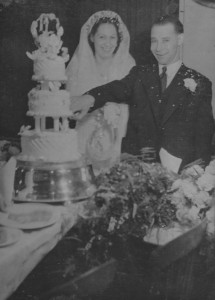
Here are 10 things that can dictate and influence who gets to come to the big day:
1. Venue
Firstly the other two elements of the holy trinity of wedding planning (the where and how much) will have a massive say on how many guests you can invite. For example, you can’t decide on a venue without knowing how many people you want to invite. Or maybe you want to pick your dream venue and have the size of the place dictate the number of guests you can invite. The venue could also influence the style of wedding you have based on how many guests you’re allowed in the room for a ceremony, a sit down meal or a standing buffet (this number will vary depending on the number of chairs and tables required for different room set ups).
Where you hold your wedding may affect whether people are able to travel to it. For instance, if you have a destination wedding abroad or hold it in a different part of the country to where your family live. These decisions could mean that elderly relatives can’t make it or people can’t take extra time off work to travel or stay over at the venue. Although, maybe you want to limit the numbers and so eloping or flying off to Vegas may be the best option for you so that you have just a few select guests there. (Bear in mind that infamous episode of Don’t Tell the Bride though and don’t eliminate important guests ie pick one sibling over the other to go to a destination wedding!)
2. Budget
The other part of the holy trinity of wedding planning is the money side of things. How much you have to spend will definitely factor in to how many people you can invite. It might not just be about how many people you can fit in the room, but how many you can afford to be there too. There are some costs that won’t change no matter how many people are there but there a number of variable costs that will alter depending on how many people are enjoying them. These costs include the food, favours, cake, drinks, stationery (such as invites, menus, orders of services etc) and the size of the bridal party. Plus if you are going abroad, consider whether you or your guests pay for their transport, travel and hotel costs.
[Look out for more on budgeting advice for weddings and venue choices in future blog posts about the holy trinity of wedding planning coming soon.]
3. Timing
I covered quite a bit about this aspect in the So, when’s the big day? post last month. Suffice to say that the day of the week could have a big impact on whether people would be able to attend and also if it’s during a holiday time. If you really want to ensure people can make it then the best advice is to give them as much notice as possible. Send out save the date cards or discuss with key people to find out whether they could make it.
4. Law
Let’s bring this back down to the basics. The most important people to be at your wedding are you and your partner. As well as you two, you only really need 3 (or 4) other people to be there if you want an intimate affair. So as long as you’ve got someone to carry out the ceremony (plus a registrar if the person who conducts the ceremony is not authorised to register marriages) and two witnesses then you’re sorted. Anyone else is a bonus.
5. Family
It’s probably best to start with your nearest and dearest. Who could you not do without in order to enjoy the day? These are probably your parents, siblings, family and close friends. If you have a very large family, it could mean that you don’t have many spaces left for lots of other guests!
6. Wedding party
Then there’s the crew that stand alongside you on the big day. These reliable, supportive and trusted friends are who you are putting all your faith in to ensure your day goes smoothly. So pick your team wisely (this was a top tip from one bride in the Wedding day advice from real brides and grooms blog). It is entirely up to you how big to make your wedding party. But consider that how many people are in the bridal party will affect the number of bridesmaids dresses, bouquets, gifts, suits etc that you have to include in the budget (yes, everything comes back to the holy trinity of wedding planning again!) Decide and discuss what you are going to pay for and what elements you require to be paid for by the wedding party as soon as you can.
7. Wallet
Now this is the biggy and probably the most political and controversial aspect. Who is paying for the wedding? If you are paying for your own wedding, you pretty much can decide all elements yourself. Or at least have the final say. However, if the money is coming from someone else you may feel indebted to honour their wishes or requests. For example, if your parents are paying then they may want to invite many of their own guests to the day. Traditionally it is etiquette for the bride’s and groom’s parents to have a proportion of the guest list to allocate themselves. Often it comes down to a bit of compromise. For me, I didn’t want to look around the room and not know the people that were sharing our day. With an intimate occasion, I didn’t want to invite a long-list relative at the sacrifice of inviting a dear friend.
8. Day vs evening
If you have the option to be able to split the day to different elements then you could include additional people as evening guests to join you after the main meal. But try to make sure it’s not just a tagged on event and still includes elements of a wedding day to make them feel like valued additions to the day.
9. Plus ones
You’ll also need to decide whether you are going to include children to your wedding. Are you inviting work colleagues? If you’re not limited to numbers will you allow single guests to bring plus ones that you potentially might not even know?
10. Who?
Ultimately, it all boils down to who you want in the room with you and how well do you want to know the people that are there. Honestly, you’ll start to see pound signs appearing above your friends and family’s heads! I guess, it’s a crude way to think of it but in reality you’ve got to think ‘Would I take this person out to dinner and pay for their meal?’ (or pay for them to have a drink, if you are having a separate evening guest list). Do you know them? Do you like them? Have you seen them recently? Do you want them to share your day with you?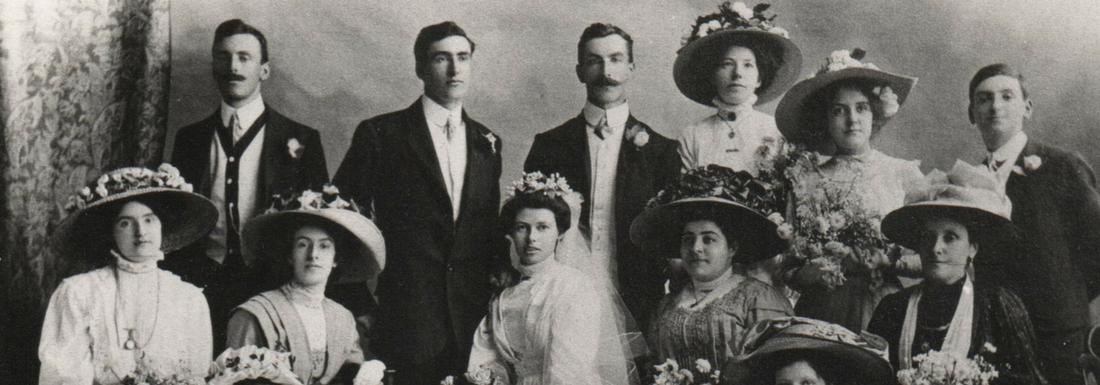
When you look back on your big day your wedding photographs will be a snap shot of your family and circle of friends at that moment in time.
There’s no right or wrong answer on who to invite to your wedding. Nor is there a magical formula that will work it out for you. Ultimately, you should invite guests that you want to share your special day with. When you look around the room you want to know that everyone in the room is an important part of your life and it is precious to have all the people you care about in one place at the same time.
So, you’ve got all your guests to the venue, now where do you seat them? Look out for a guide to organising your seating plan in another blog post soon.
by Hanami Dream | 31, January, 2016 | blog, holy trinity of wedding planning, tips
-

-
Photography by Farrow Photography
-

-

-

-

It’s February and it might be the shortest month but it is often referred to as one of the most romantic months of the year (especially if Hallmark have done their job properly in convincing you, if you didn’t already agree). Plus this year there is double the chance of a proposal this month (if you are waiting for one patiently) with not only Valentine’s Day on the 14th, but as it is a leap year you can take matters in to your own hands and pop the question yourself on the 29th. We look forward to hearing all the forthcoming engagement stories and wedding plans. (Meanwhile if you are looking for inspiration on ways to propose (or if you just love hearing how people get betrothed) then take a look at some proposal stories from real brides that we’ve curated.)
Congratulations if you are recently engaged. Telling people your big news and flashing your new piece of jewellery is such an exciting time and how wonderful to be spreading good news amongst your nearest and dearest. Unfortunately, just telling the romantic (or run of the mill) engagement story is often not enough information for some of our family and friends. And I imagine that almost in the same breath as wishing you their congratulations, one of the first questions that you’ll get asked (again and again) when you first announce your engagement is ‘So, when is the big day?’ (After you’re married the question then becomes ‘So, when are you having a baby?’ But that’s a different story!)
If you’ve not set the date yet, this can be quite a daunting question and certainly one that requires quite a bit of thought. So before you rush to send out your save the date cards, please let us offer our guidance on how (and when) to set your wedding date.

- Consider the holy trinity of wedding planning
For me, there are three key aspects of wedding planning that go hand in hand and pretty much affect every other thing that is connected with your big day. These are Venue, Guests and Budget (otherwise known as where, who and how much). They co-exist as you can’t really pick your venue without knowing how much you have to spend and how many people you want to invite. Likewise, you might not be able to invite all your guests due to venue size and money constraints. And let’s face it, your budget may well dictate whether you can afford your dream venue or how many second cousins removed can be invited. So they’re a bit like the chicken and the egg (and the farmyard!) as you can’t decide one thing without the other. (Don’t worry we’ll be talking lots about these three elements in future blog posts coming very soon!)
Anyway, I digress as we are actually talking about the when aspect of wedding planning at the moment. However, the where, who and how much elements very much affect when your big day will be too. For example, venues may have different prices depending on the time of the year and do you when your key guests or wedding party be available. Trust me, nearly all the decisions you have to make about your wedding will come back to one, two or all of the elements in what I class as the holy trinity of wedding planning.

- Timing is everything
I married a school teacher so instantly my choices were limited for wedding dates if I wanted to have a honeymoon after the ceremony. (Honestly, I used to take a holiday in November time to enjoy some winter sunshine before I met my husband. But even before kids, I had to resign myself to more expensive non term time holidays! Heavy sign!) So, we chose the summer holidays which then meant we had to consider other people’s travel commitments and it impactedon our budget as it was in the height of wedding season. We also had to consider availability of certain suppliers at a busy time. One benefit of marrying a teacher though is that we weren’t restricted to a weekend date which made it cheaper on the venue costs (although would mean that some of our guests had to take a day off work). See what I mean about it always coming back to decisions or compromises based on cost, guests or venue!
So you have to decide what are your must haves (ie what you’re not willing to compromise on) and what you can be flexible with. For example, in order to get your dream venue are you willing to wait a couple of years to get the right date. Here are some things to bear in mind when picking your date:
- Year – which year are you thinking? This year? Next year? Or several years down the line? This may seem like a basic question but if you want to do something this year then suppliers and venues may already be booked up. So think about how long you have /want to plan the wedding. The more notice you give then the more likely you are able to have your first choice. Only last week I heard a supplier say that they have been booked for a 2020 wedding – now that is forward planning!
- Time of year / season – this could affect what the weather is likely to be like (although who knows what the British weather is up to at the moment!) which could influence your themes, colours, venue, attire, transportation, food choice etc etc. Also different seasons can have an impact on the price and availability of food and flowers. I really wanted the church to be crammed full of cowslip when I got married but this is just nowhere to be seen in August!
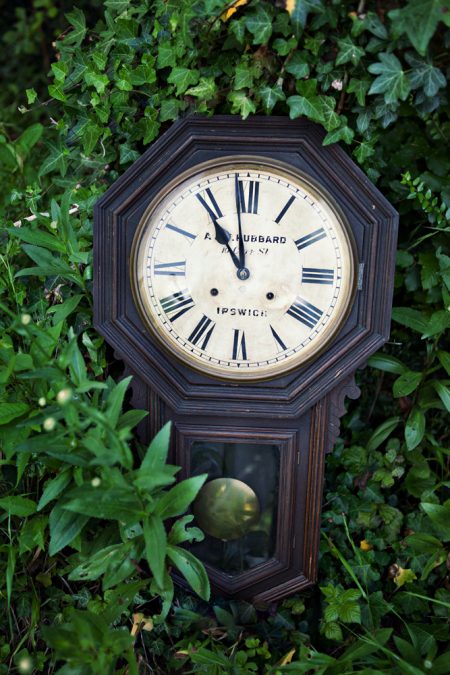
- Month – the old Catholic marriage song below states your fate as a couple depending on the month you choose to wed. At the time, it was unusual and unlucky for a couple to get married in May as this was the start of Summer and was marked by a pagan feast. Although this superstition may date further back to Roman times. On the contrary, June and other summer months are very popular and even December is gaining in popularity, presumably so that people can use holiday time around the big day. It is worth considering different months as popular ones are in demand so prices may increase and availability will decrease.
Marry when the year is new, always loving, always true,
When February birds do mate, you may wed or dread your fate
If you wed when March winds blow, joy and sorrow both you’ll know
Marry in April when you can, joy for maiden and for man,
Marry in the month of May, you will surely rue the day,
Marry when June roses blow, over land and sea you’ll go,
They who in July do wed, must labour always for their bread,
Whoever wed in August be, many a change are sure to see,
Marry in September’s shine, your living will be rich and fine,
If in October you do marry, love will come but riches tarry,
If you wed in bleak November, only Joy will remember,
When December snows fall fast, marry and true love will last.
- Day of the week – ironically in another old poem, it states that getting married on a Saturday is unlucky which nowadays is the most common day for people to tie the knot. However it is also one of the most expensive days too. We chose a Friday which still had the benefit of being near a weekend for people to tag on holiday and was slightly cheaper. More people are now considering other weekdays as options and Sundays too (although this used to be deemed as a mark of disrespect which is probably why it is not mentioned in the version of the poem I sourced).
Monday: Brides will be healthy
Tuesday: Brides will be wealthy
Wednesday: Brides do best of all
Thursday: Brides will suffer losses
Friday: Brides will suffer crosses
Saturday: Brides will have no luck at all
- Date – superstition often forces couples to avoid the 13th of the month (especially if it falls on a Friday), your birthday, the day of a full moon, April Fool’s Day and it used to be forbidden to get married in Lent and Advent by the church. Some people think that 7 is supposed to be a lucky number whilst 4 is deemed unlucky in Japanese and Chinese traditions so dates with these numbers may be sought after or avoided by couples. Instead perhaps you want to pick a meaningful date to you such as the anniversary of the date you first met, a memorable date that you’ll remember like 12/12/12 or a nod to your heritage such as your grandparents’ wedding anniversary date.
- Time of day – as someone who is very much driven by their stomach, I would always advise to think about how meal times fit around the formal parts of the day. You don’t want to be having a ceremony when everyone’s tummies are rumbling and there’s no sign of a meal for hours. (As an aside, always keep your guests fed, watered and entertained.) Wedding ceremonies that took place before noon were said to be lucky versus the inverse in the afternoon. However, if you hold a later ceremony you could save money if you only have to feed your guests once in the day.
- Day or night – a wedding after dark used to be considered unlucky but you could split your guests up to have some come for the whole day and others just join you for the evening part of the day so you don’t have to pay for all of them to have a sit down meal.
- Duration – nowadays more and more couples are choosing to have a weekend long wedding over 2-3 days to enjoy the company of their friends and family for longer. This would obviously add cost and commitment from all parties if you were going for his option.
- What else is going on in the world
You may be living and breathing your wedding and everything else in the world is taking a back seat. However, things are still going on around you and some national, local and annual events may have an impact on your guests involvement, availability and enjoyment. For example:
- Public holidays – you may want to avoid them as they might increase traffic on the roads near holiday spots or because guests will have family commitments. Or embrace them as people will instantly have a day off.
- Sporting events – things like the Olympics this year, the FA Cup final and the Euros may be distracting if you’ve got any keen sporting fans attending your wedding.
- Royal occasions – it doesn’t look likely there’s a royal wedding this year (we were certainly worried Will and Kate were going to pick the same date as us in 2011!) but the Queen is celebrating her 90th birthday in June so people may have plans to mark that occasion.
- Other people’s occasions – no one really wants to share their big day with someone else’s thunder. So you may want to avoid other people’s birthdays, wedding anniversaries, and religious festivals. Unbeknown to us, there were two other couples that were guests at our wedding who got married on the same date as us (they are teachers too!). They actually liked it as it was a great way to celebrate their own anniversary. However, if it had been a milestone anniversary they might have thought differently. Likewise picking a date near a close friend or family member’s own wedding day might not go down too well either.
Take a look at a list of some events (in England) in 2016 that could influence your choice of dates.
And here are the 2017 dates for your diary to consider.
Plus the 2018 dates for your diary.
Here are the 2019 dates for your diary – https://www.hanamidream.co.uk/dates-for-your-2019-diary/
And here are the 2020 ones too.
Good luck on your quest to pick a date for your wedding day and therefore your wedding anniversary date for years to come. I know a lot of thought will go in to answering the question of ‘So, when is the big day?’ Remember to pick a date that works for you (and the holy trinity of wedding planning obviously!)
We’d love to hear your engagement stories please contact me with how you proposed or were proposed to.